A better camera can capture sharper details, but it cannot decide what deserves attention. That choice belongs to the photographer. Recognizing beautiful light, arranging a compelling frame, and noticing unexpected color combinations are skills developed through observation, often before a photograph is ever taken.
The good news is that improving your visual judgment requires almost no equipment. A window, a street corner, or a familiar walk can become a daily exercise in seeing. By paying closer attention to ordinary surroundings, you can develop skills that work with any camera.
Learn to Notice Light Before Subjects
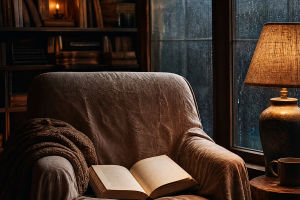
Light changes how everything looks, making it one of the most useful things to study without a camera. Choose a window at home and observe how sunlight enters at different times. Morning light might create sharp shadows across the floor, while afternoon light may illuminate the room more softly.
Notice how shadows change direction, length, and definition. These differences reveal the direction, intensity, and quality of light.
The golden hour, shortly after sunrise or before sunset, offers another useful exercise. Low sunlight often produces warmer colors and longer shadows, although clouds and surrounding buildings affect the result. Compare a textured wall at midday with the same wall in late afternoon. Side lighting may reveal details that were previously difficult to notice.
Practice Framing Without Taking Pictures
Good composition often begins with deciding what to exclude. An interesting subject can lose its impact when distracting objects compete for attention.
During your next walk, choose something ordinary, such as a colorful doorway, a bicycle, or a lone tree. Imagine a rectangular frame around it, then change your position. Move left, step closer, or lower your viewpoint.
Notice how the background changes. A distracting sign might disappear, while a nearby wall could create a useful leading line.
The rule of thirds provides a helpful starting point, but it is not a requirement. Photographer Henri Cartier-Bresson demonstrated how timing, geometry, and relationships between subjects can create compelling compositions without following one fixed formula.
Understand How Colors Work Together
Colors influence one another. A blue jacket may look subdued against gray concrete but striking beside orange brick. The jacket remains unchanged, yet its surroundings affect how its color is perceived.
Practice noticing these relationships at markets, parks, and busy streets. Look for combinations that attract attention and consider why they work.
Complementary colors sit opposite each other on a traditional color wheel. Blue and orange, red and green, and yellow and violet are familiar examples that can create strong contrast.
However, striking combinations do not always require opposing colors. Similar shades can produce harmony, while one vivid object can become a focal point against a muted background.
Pay attention to brightness and saturation as well as color. These qualities often determine whether a scene feels energetic, peaceful, or balanced.
Build a Daily Observation Habit
Developing a stronger eye does not require hours of practice. A few minutes of focused observation each day can help you recognize visual patterns.
Start with one challenge: notice something interesting about light, shape, or color during your normal routine. It might be a staircase divided by shadows, a reflection in a puddle, or an unusual arrangement of windows.
Write a short note describing what caught your attention. After several weeks, these observations can become a useful collection of photographic ideas.
Paintings offer additional inspiration. Johannes Vermeer's "The Milkmaid" demonstrates how window light, carefully arranged objects, and ordinary activity can create a compelling image.
Look for similar relationships in familiar surroundings. The goal is not to copy an artwork, but to understand what makes its visual arrangement effective.
Study the Edges and Background
A strong subject does not automatically create a strong photograph. Sometimes the most important improvement comes from noticing what surrounds it.
Imagine a person standing beneath a streetlight. The lighting may be beautiful, but a bright advertisement behind the person's head could distract from the portrait.
Practice examining an imagined frame from the outside inward. Look for awkwardly cropped objects, distracting highlights, and lines that lead attention away from the subject.
Consider negative space, the relatively open area surrounding an object. It can emphasize shape, suggest isolation, or create a sense of calm.
Busy backgrounds can also work when their details support the story. The important question is whether each visible element contributes to the composition.
Learn From Your Existing Photographs
Reviewing photographs you have already taken can strengthen your visual judgment. Instead of simply deciding which images are good or bad, examine what makes each one effective.
Where does your attention go first? Is the subject clearly visible? Does the lighting create the intended mood? Are there distracting objects near the edges?
Compare several photographs of the same scene when possible. Small differences in timing, viewpoint, or background may explain why one composition feels stronger.
Keep a few unsuccessful photographs as learning references. Write down one adjustment you would make if you encountered the scene again.
Perhaps you would wait for softer light, move closer, or simplify the background. This process turns ordinary photographs into practical lessons without requiring new equipment.
Training your eye begins with paying closer attention to familiar surroundings. Watch how sunlight changes a room, notice relationships between colors, and practice arranging scenes before reaching for a camera.
These habits complement technical knowledge and help photographers make more intentional choices with the equipment they already own.
Start with one small observation each day. Over time, everyday places become opportunities to study light, composition, and visual storytelling. The more carefully you observe, the more possibilities you begin to recognize.