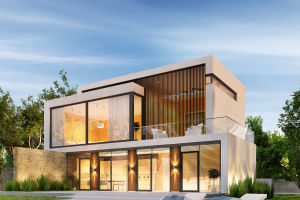
A well-lit outdoor space can completely change the way a home looks and feels after sunset.
The right combination of warm lights, subtle accents, and practical fixtures can make patios, pathways, entrances, and gardens feel more inviting without making the space overly bright.
A few thoughtful lighting choices can make a noticeable difference.
Choose a Warm Light
The tone of outdoor lighting has a strong effect on atmosphere. Warm light generally creates a softer and more welcoming appearance, making it a natural choice for patios, balconies, entrances, and gathering areas.
Cooler lighting can be useful for practical areas, but using it everywhere may make an outdoor space feel harsh. For relaxing areas, warm illumination creates a comfortable transition between the home's interior and surrounding landscape. Soft lighting often works better than excessive brightness. The goal is to make the space visible and inviting rather than flood every corner with light.
Highlight Architectural Features
Outdoor lighting can emphasize features that give a home its character. Interesting rooflines, large windows, balconies, and covered entrances can all benefit from carefully positioned fixtures.
Wall lights beside an entrance can frame the doorway, while recessed fixtures beneath an overhang can highlight architectural lines. Lighting near vertical surfaces can also create gentle shadows that add depth to the exterior. A few well-positioned fixtures can make important design details stand out naturally.
Illuminate Steps and Pathways
Pathways and stairs are among the most practical areas for outdoor lighting. Small lights along a walkway can make the route easier to follow after dark while adding visual structure to the property. Step lights can be installed along walls, railings, or outdoor stairs. They do not need to be extremely bright to be useful.
Consistent, moderate illumination can provide enough visibility while keeping the atmosphere relaxed. Pathway lights can also define the boundaries between landscaped areas and walking spaces.
Create a Cozy Patio
Outdoor seating areas benefit from lighting that feels comfortable rather than intense. Small wall fixtures, recessed lights, or carefully positioned lamps can provide enough illumination for relaxing, reading, or spending time with family and friends.
Lighting around the perimeter of a patio can be especially effective. Instead of placing all the light directly above the seating area, illumination can be directed toward nearby walls, plants, or architectural features. This creates a layered effect and keeps the seating area comfortable without losing its relaxed nighttime character.
Add Subtle Landscape Lighting
Plants and trees can become part of the lighting design. A few carefully placed landscape lights can emphasize trees, shrubs, garden borders, or other outdoor features. Uplighting can draw attention to taller plants, while low-level fixtures can gently illuminate planting beds. Avoid lighting everything equally. Leaving some parts of the garden darker creates contrast and gives illuminated areas more visual impact.
Use Lighting Around Windows
Windows naturally contribute to a home's nighttime appearance. When interior rooms are softly illuminated, light coming through the windows can create a warm connection between indoor and outdoor spaces. Exterior fixtures can complement this effect by illuminating nearby walls, balconies, or entrances. Keeping brightness balanced helps the windows remain part of the overall design.
Layer Different Types of Light
One effective way to create a polished outdoor atmosphere is to combine several types of lighting. Entrance lights can provide practical illumination, pathway lights can guide movement, and landscape accents can add visual interest. Using different levels of brightness creates depth and prevents the property from looking uniformly lit. Some areas can remain softly illuminated while others receive stronger lighting where visibility is more important.
Creating a stunning outdoor glow is more about thoughtful placement than adding many fixtures. Warm lighting, illuminated pathways, subtle landscape accents, and softly lit architectural details can work together to transform an outdoor space after dark.
Start with the areas that matter most, then build outward with smaller accents. By keeping lighting balanced and allowing some darker spaces to remain, a home can achieve a warm, elegant nighttime appearance that feels inviting without being overwhelming.