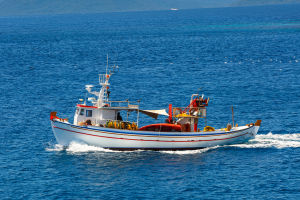
Before we take a fishing vessel out to sea, a few simple checks can make a major difference to everyone on board. Good preparation is not only about checking the engine or filling the fuel tank.
We also need to make sure people know what to do, equipment works correctly, and emergency supplies are easy to reach. Lykkers, if we treat departure preparation as a simple safety routine instead of a rushed final task, we can reduce avoidable problems and begin the trip with greater confidence.
Check Everyone on Board
We should begin with the people, because even the best equipment is useful only when everyone knows how to use it. Before departure, the person in charge should confirm that each crew member has the required qualifications for their role and understands the basic safety procedures.
Every person should have a properly sized life jacket that is easy to reach. We should also identify where life rafts, life rings, emergency exits, and other safety equipment are stored. A short briefing can help everyone understand where to go if an emergency occurs.
It is also useful to assign simple responsibilities before leaving. Knowing who checks communication equipment, who handles emergency supplies, and who assists with evacuation can reduce confusion when time is limited.
Inspect the Vessel
A careful walk-around should follow the crew check. We should look over the hull for visible damage, cracks, loose fittings, or signs of water entering the vessel. Doors, hatches, and other openings should close securely.
The engine and steering system deserve particular attention. We should check that the engine starts normally, unusual sounds are absent, and steering responds correctly. Pumps should also be tested so that water can be removed efficiently if needed.
Fuel levels should be suitable for the planned journey, with a reasonable reserve rather than relying on an exact estimate. We should also inspect ropes, anchors, electrical connections, and other basic equipment for wear or damage.
Test Communication Tools
Being able to communicate quickly is one of the most important parts of sea safety. Before departure, we should test the vessel's communication equipment and confirm that it can send and receive messages properly.
Navigation equipment should also be checked before the vessel leaves. Positioning systems, electronic charts, depth information, and identification equipment should operate correctly and provide reliable information.
We should also make sure backup communication equipment is charged and stored where it can be reached quickly. A device that works perfectly but is buried under other gear is much less useful during an emergency.
Prepare Emergency Supplies
Emergency equipment should be checked against a simple list before every trip. Life rings, signaling equipment, first-aid supplies, fire extinguishers, and other required safety items should be present, accessible, and within their service periods.
Fresh water and suitable food supplies should be prepared according to the length of the journey, with additional supplies available if the return takes longer than expected. We should keep these items protected from water and secure them so they do not move around the vessel.
A small repair kit can also be valuable. Basic tools, temporary leak-control materials, spare lines, and other practical items can help us deal with minor equipment problems before they become more serious.
Review Weather and Route
Before departure, we should check the latest available weather information and compare it with the planned route and expected travel time. Conditions at sea can change, so a route that looks comfortable at the dock may require adjustment later.
We should also tell someone ashore about the planned departure, general route, and expected return. If plans change significantly, the update should be passed along when communication is available.
Keep a Final Checklist
The last step should be a short, repeatable inspection rather than a hurried glance. We can use a checklist covering people, life-saving equipment, engine, steering, fuel, pumps, communications, navigation, emergency supplies, and weather.
Most importantly, we should not assume that equipment is ready simply because it was checked on a previous trip. Batteries can lose power, ropes can wear, equipment can shift, and small problems can develop while a vessel is in storage.
Final Thoughts
Safe departures begin with ordinary details. When we check the crew, inspect the vessel, test communication and navigation equipment, prepare emergency supplies, and review the route and weather, we create a much stronger safety foundation. These steps do not require complicated procedures, but they do require consistency. For every trip, taking a few extra minutes at the dock can help everyone leave prepared, informed, and ready to respond calmly if conditions change.