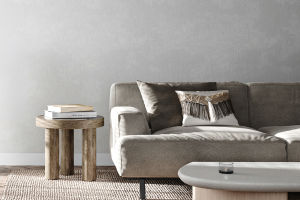
Walking into a room without a rug can feel like looking at a masterpiece without a frame.
A high-quality carpet is far more than a textile; it is the visual anchor that ties every piece of furniture together into a cohesive blend of comfort and style.
In the world of interior design, a well-chosen rug is a "badge of prestige" that speaks to an owner's attention to detail and tactile sensibility. Beyond aesthetics, it acts as a structural barrier against noise and cold, providing a protective shielding for your hardwood floors. However, navigating the sea of fibers, weaves, and sizes requires a steady hand and a bit of technical knowledge. Whether you are outfitting a cozy reading nook or a grand dining hall, mastering the art of the rug is the foundation of a sophisticated home.
The Science of Fiber Selection
The material of your rug dictates its longevity, feel, and resistance to life's daily messes. You must choose a material that matches the "traffic" of the room it will inhabit.
Common Rug Materials and Their Traits
• Wool: The gold standard of fibers. It is naturally resilient, fire-resistant, and provides a plush anchor for any room. It acts as a biological shielding against stains due to its natural oils.
• Silk: A luxurious blend of shimmer and softness. Best reserved for low-traffic areas like bedrooms, it represents the pinnacle of "badge of prestige" in flooring.
• Cotton: A versatile and breathable choice. Cotton rugs are often machine-washable, making them a practical anchor for kitchens or children's play areas.
• Jute and Sisal: These natural plant fibers offer a rugged, organic texture. They are incredibly durable and act as a neutral barrier that complements minimalist decor.
• Synthetic Blends: Materials like polypropylene are designed for the modern "steady hand." They are nearly impossible to stain and are ideal for high-traffic entryways.
The Geometry of Placement
The most frequent design error is choosing a rug that is too small, which makes the room feel disconnected. Your rug should act as a literal anchor that touches or sits under the legs of your furniture.
Living Room Layouts: For a balanced look, ensure the front legs of all seating—sofas and armchairs—rest on the rug. Ideally, the rug should extend at least 8 to 12 inches beyond the sides of the sofa. This creates a unified "conversation zone" that functions as a psychological barrier against the chaos of the rest of the house.
Dining Room Precision: In a dining space, the rug must be large enough to accommodate the table and all chairs, even when they are pulled out. A good rule of thumb is to choose a rug that is 24 to 36 inches wider than the table on all sides. This prevents chair legs from "tripping" over the edge of the carpet, maintaining a steady hand during dinner service.
Pile Height and Density
The "pile" refers to the thickness and height of the rug fibers. This technical detail determines how the rug handles weight and how it feels to a bare foot.
• Low Pile (<0.25 inches): These are flat-woven and very durable. They are the best shielding for high-traffic zones because they don't trap dirt easily and are a breeze to vacuum.
• Medium Pile (0.25 to 0.5 inches): A perfect blend of softness and durability. These are the most popular choice for living rooms, offering a cozy anchor without being too difficult to maintain.
• High Pile (>0.5 inches): Often called "plush" rugs, these offer maximum luxury. They act as a sensory anchor for bedrooms, though they require a steady hand with a specialized vacuum to keep them looking fresh.
Color and Pattern Mastery
Your rug is a powerful tool to manipulate the perception of space. If your furniture is neutral, a patterned rug can serve as the artistic anchor of the room. Conversely, if your walls are bold, a solid, textured rug provides a calming shielding effect.
Design Strategy Tips:
• Dark Colors: These create a sense of intimacy and "badge of prestige." They are also excellent at hiding minor spills or wear in busy households.
• Light Colors: These make a small room feel much larger and more open, acting as a visual barrier against cramped sensations.
• Scale of Pattern: Large patterns work best in large, open spaces. Small, intricate patterns are better for compact areas to avoid overwhelming the eye.
In summary, selecting the right rug is a masterful blend of mathematical precision and creative flair. It is the invisible anchor that transforms a collection of furniture into a home. By understanding the technical differences in fiber durability and respecting the rules of placement, you provide your living space with a defensive shielding against cold and noise while earning a "badge of prestige" for your interior styling. A well-placed rug ensures that every step you take is supported by quality and intent. Don't let your floors stay bare; approach your selection with a steady hand, and find the piece that will ground your sanctuary for years to come. Your home deserves a foundation that is as beautiful as it is strong.